
Supporting Local Sewing Experts from Around the World
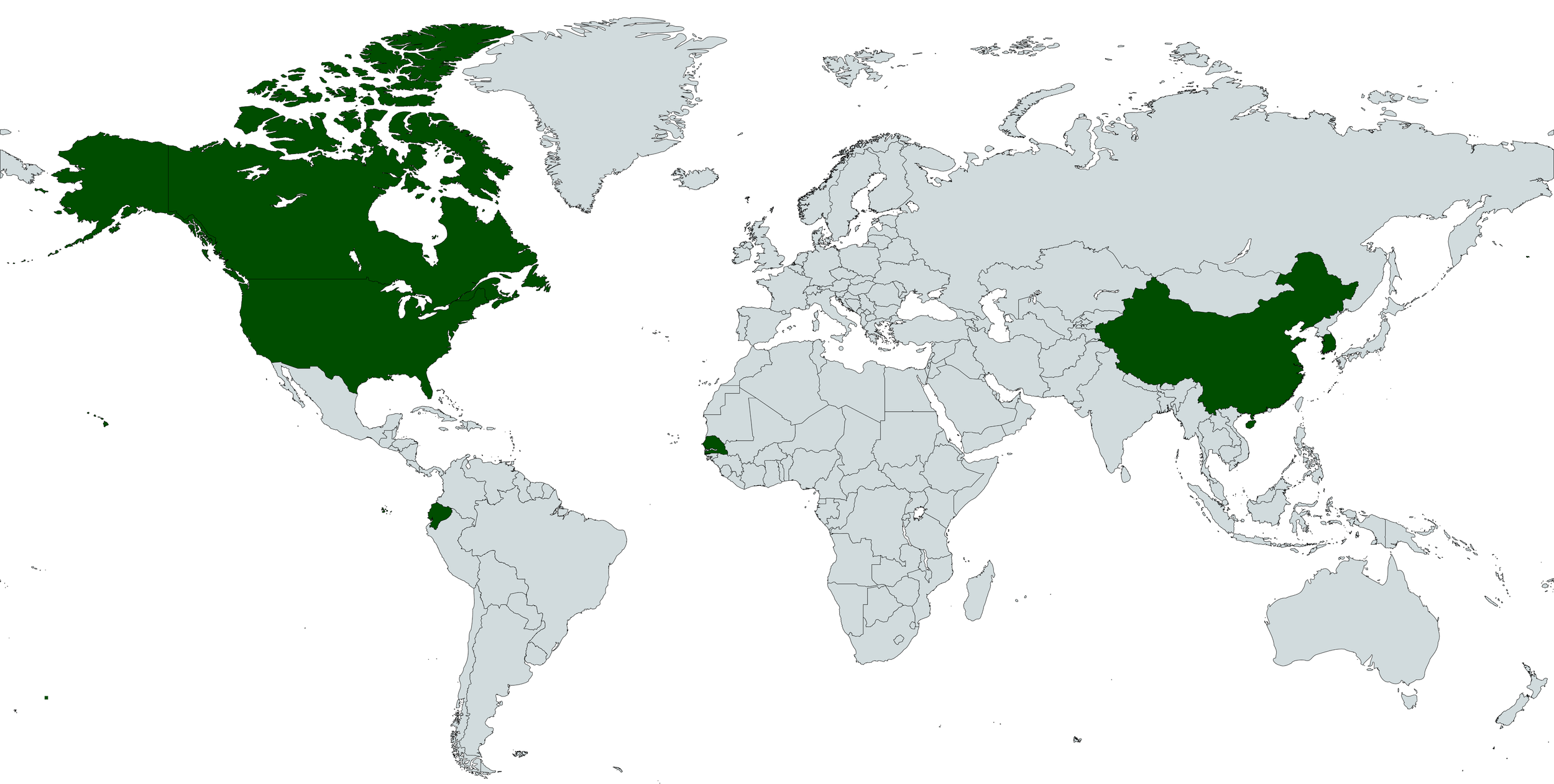
Here are the home countries of our tailors: Ecuador, Senegal, Hong Kong, South Korea, the Dominican Republic, the United States, and Canada
Skill Was Never the Problem
Any immigrant with real sewing skill should be able to earn steady income in America without a storefront or a word of English required. We built Cimu to make that sentence true for tailors today and for many more local sewing experts tomorrow.
We Handle the Business. They Sew.
Cimu sends the work directly to each tailor. Every garment arrives pinned with accompanying photos that show exactly what to do. Each job is sent to the tailor whose specialties fit it best and whose schedule can accomodate the client’s deadline.
Every tailor who works with Cimu receives work volume that accommodates the tailor’s availability each week. The tailor never fields a client call and never has to market themselves. In exchange for the steady stream of work, our tailors put Cimu work first. That is the whole trade, and both sides come out ahead.
300 Garments
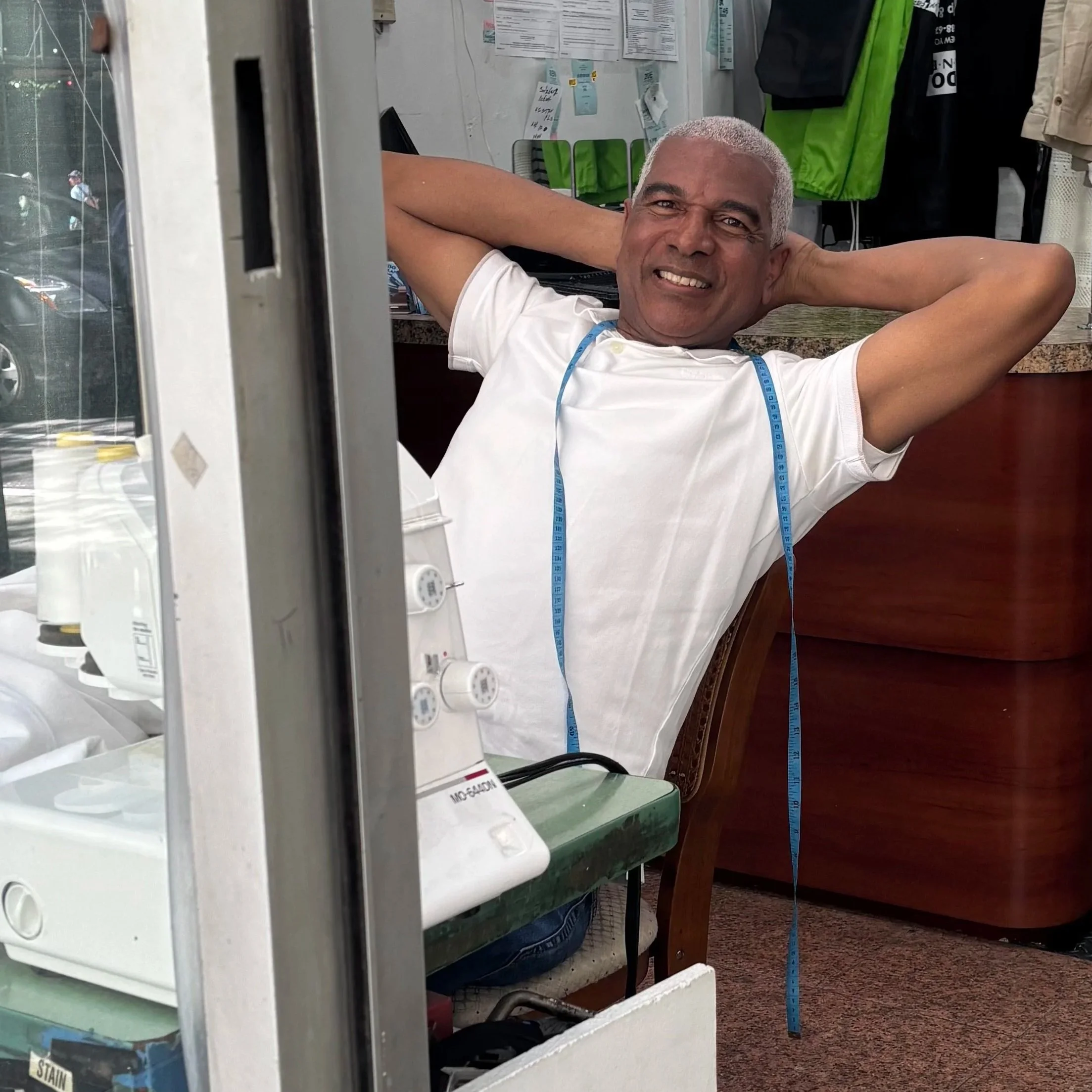
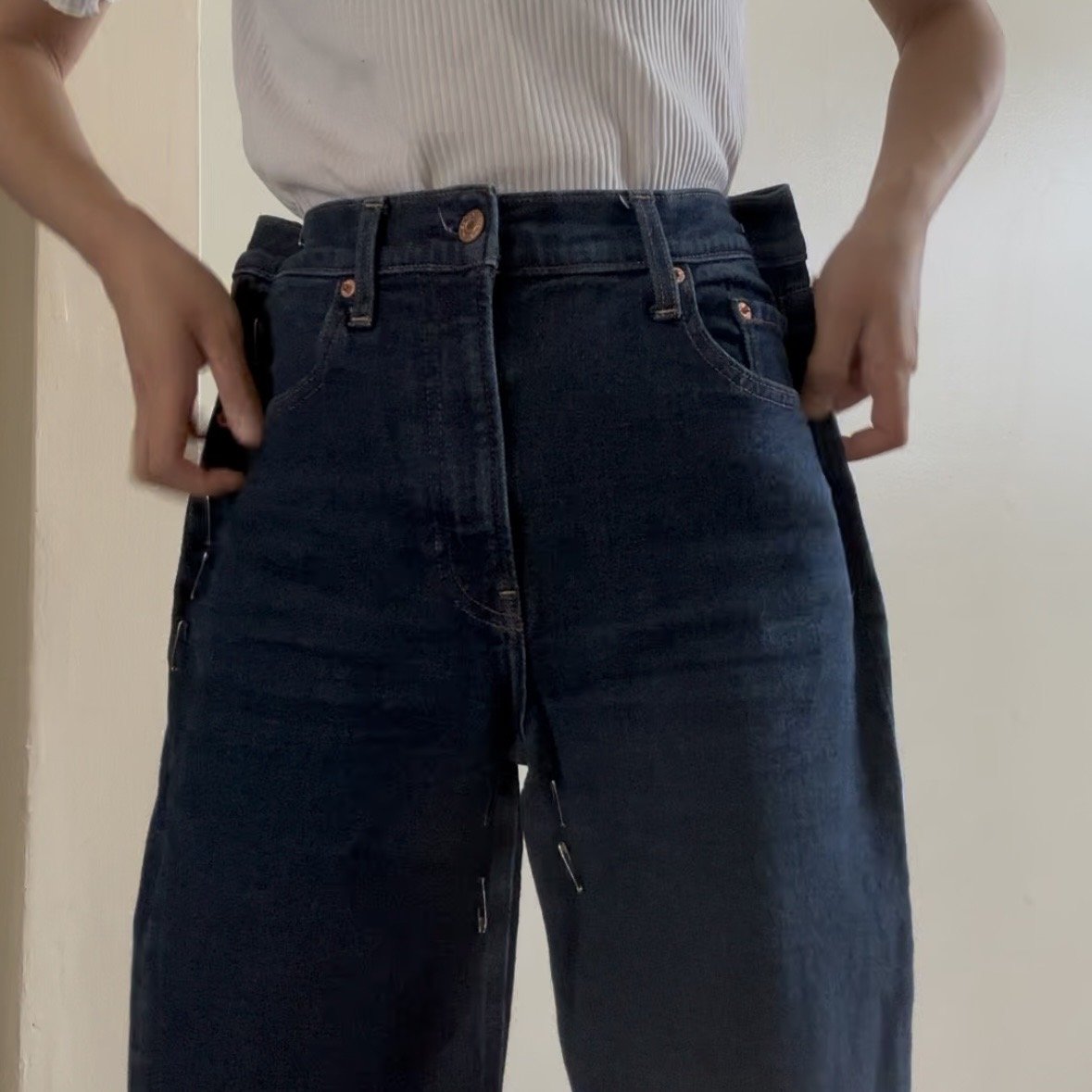
Ramón, one of our Dominican tailors, does not speak English. He has sewn more than 300 garments for Cimu. He can, because the work comes to him with already pinned with accompanying photos informing how the alterations should be done.
A Living From Skill Alone
Nearly all of our tailors are immigrants. They trained in seven countries: Ecuador, Senegal, Hong Kong, South Korea, the Dominican Republic, the United States, and Canada. Craftspeople of this caliber arrive in America every year and take unrelated work to pay rent.
Cimu is a women-owned, AAPI-owned, immigrant-owned, and LGBT+-owned business, and we are building toward one outcome: an income stream, earned from sewing alone, for skilled immigrants across the United States.